
Asphalt Spray-Patching
A specialized solution for localized pavement deterioration
Asphalt spray patching is an efficient method of repairing localized pavement deterioration across roads and highways. Using specialized equipment, compressed air, asphalt emulsion, and aggregate, spray patching cleans, fills, and rebuilds damaged pavement areas without requiring the extensive removal and replacement associated with some conventional repair methods. It is particularly effective for addressing multiple pavement defects across large road networks, allowing maintenance contractors to complete substantial repair programs efficiently. Dynamic Asphalt specializes in delivering these operations with experienced crews, dedicated equipment, and the supporting resources required to keep production moving.
What is spray-patching?
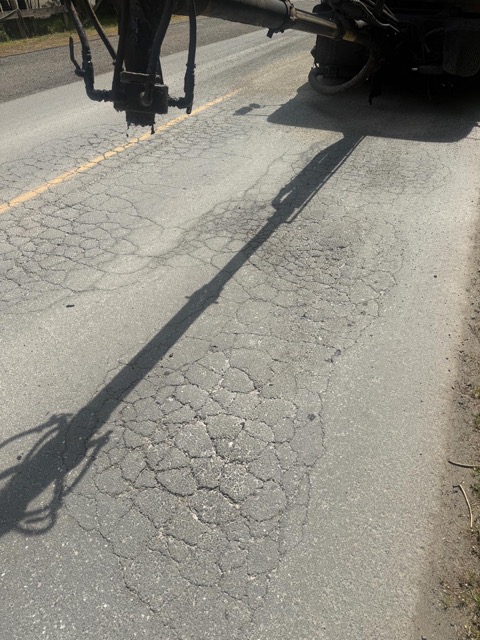
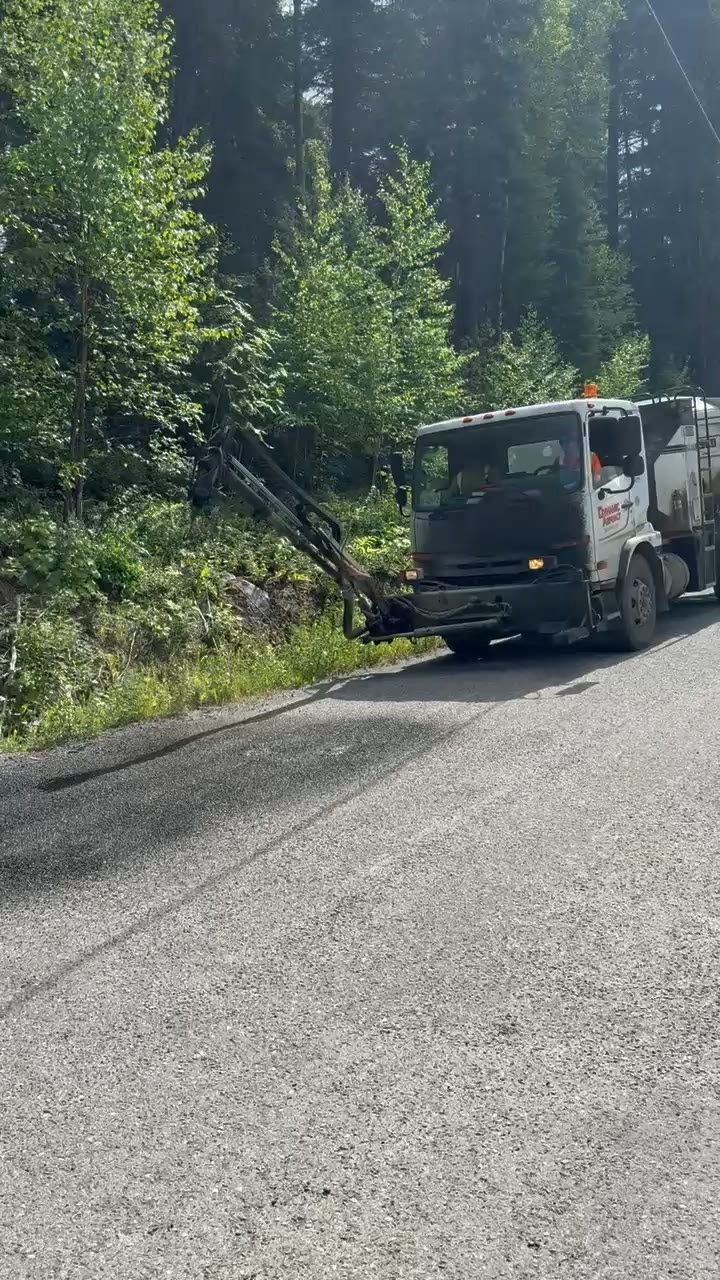
Spray patching is a pavement repair process that combines asphalt emulsion and aggregate to restore deteriorated areas of an existing asphalt surface. The process uses highly compressed air to remove loose material and prepare the repair area. Asphalt emulsion is then applied to the exposed surfaces, followed by a controlled application
of aggregate and emulsion to rebuild the damaged pavement.
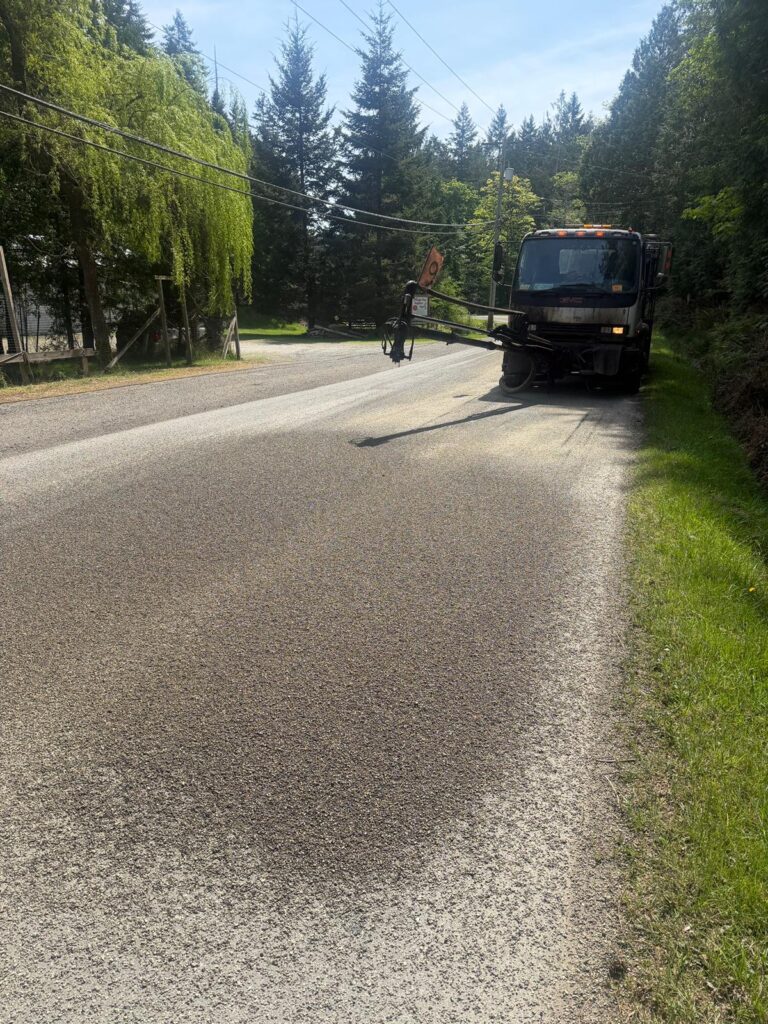
A final layer of aggregate is applied before the repair is packed and consolidated. The result is a repaired pavement surface designed to bond with the surrounding material and restore the affected area.
What can spray-patching repair?
- Potholes.
- Surface ravelling.
- Alligator cracking.
- Longitudinal cracking.
- Transverse cracking.
- Pavement edge deterioration.
- Localized surface failures.
- Erosion and other pavement defects.
Spray patching is not a replacement for every type of pavement rehabilitation. The suitability of the repair depends on the condition of the existing pavement, the underlying structure, and the nature of the deterioration.
The spray-patching process
Step One: clean
The repair area is thoroughly cleaned using highly compressed air. Loose aggregate, deteriorated asphalt, dirt, and debris are removed to prepare the exposed surface for the repair material.
Step Two: tack
Asphalt emulsion is applied to the prepared repair area. The emulsion coats the exposed surfaces and helps establish a bond between the existing
pavement and the new repair material.
Step Three: fill
A controlled mixture of aggregate and asphalt emulsion is sprayed into the damaged area. The material builds up the repair and fills the deteriorated section, creating a restored pavement surface.
Step Four: Finish
A final application of aggregate is applied over the repair to provide the intended finished
surface and help protect the repair.
Step Five: Pack
The completed repair is rolled and packed to consolidate the material and bring the repair into
line with the surrounding road surface.
Why use asphalt spray-patching
Efficient Repairs: Specialized equipment allows crews to move through multiple pavement defects across extensive road networks.
Localized Treatment: Repairs address suitable areas of deterioration without requiring the entire road surface to be replaced, while minimizing the impact on surrounding communities.
Pavement Preservation: Addressing localized pavement deterioration at the appropriate time can help prevent defects from progressing and support the service life of the existing pavement.
Reduced Construction Footprint: Spray patching can provide an effective repair with less extensive pavement removal and construction activity than some conventional repair methods.
Flexible Maintenance Planning: Spray patching can support planned maintenance programs, seasonal repair priorities, and accumulated pavement repair requirements.
Spray-patching vs. other repair methods
Different pavement repair methods serve different purposes. Spray patching is particularly useful for localized deterioration and programs involving numerous repairs across a road network.
Other methods, including conventional asphalt removal and replacement, crack sealing, and more extensive rehabilitation, may be more appropriate depending on the pavement condition. The objective is to use the appropriate repair method for the condition being addressed.
FAQ:
Spray patching may be suitable for municipal roads, rural roads and highway pavement, depending on site conditions, specifications and the nature of the defect.
Service life varies with the pavement condition, the cause and extent of deterioration, materials, workmanship, traffic and weather.
We can complete 30,000 liters in less than a week.
No. It is not tar.
What may appear to be black tar on a vehicle is typically asphalt emulsion, a water-based road-maintenance material containing a bituminous asphalt binder. Asphalt emulsion is commonly used in
highway and pavement maintenance, including spray patching.
Because of its appearance, motorists sometimes refer to it as "tar."
However, the material used in spray patching is asphalt emulsion, not traditional tar.
Spray-patching involves the controlled application of asphalt emulsion followed by aggregate. Although traffic-control measures and reasonable operating precautions are used to minimize contact with passing vehicles, incidental overspray or transfer of asphalt emulsion can occasionally occur during road-maintenance operations.
This is a recognized consideration in highway spray-patching operations.
Asphalt emulsion is a road-maintenance material and may adhere to the exterior of a vehicle, leaving a noticeable dark residue. The presence of asphalt emulsion on a vehicle does not necessarily mean that the vehicle's paint has been damaged. Asphalt residue can often be softened and removed from painted surfaces using an
appropriate cleaning product and a gentle cleaning process.
No.
Fresh asphalt emulsion may be easier to remove, but it does not necessarily have to be removed immediately. Asphalt residue can often be softened and removed even after it has remained on a vehicle for an extended period.
The time required for removal will depend on factors such as the amount of material, the vehicle's finish and how long the residue has been present.
There are several products that may be effective in softening and removing asphaltic residue.
One commonly used product is WD-40 Multi-Use Product. WD-40 states that its Multi-Use Product is safe for use on painted metal when used as directed and specifically identifies removal of tar and
asphalt-related residues among its automotive uses.
Baby oil (mineral oil) is another commonly suggested household option. Mineral oil has been documented as capable of softening and removing asphalt because of the compatibility between the oil and asphaltic material. However, Dynamic Asphalt Services Inc. is not recommending or guaranteeing the suitability of any particular cleaning product for an individual vehicle. Vehicle finishes, coatings and aftermarket treatments can vary considerably.
If you choose to use WD-40, baby oil or another product, do your own research first and follow the product manufacturer's directions. Test the product on a small, inconspicuous area before applying it to a
visible surface.
A simple approach to removing the residue:
1. Work on a cool vehicle surface, preferably out of direct sunlight.
2. Apply a small amount of the selected product to the affected area or to a clean, soft microfiber cloth.
3. Allow the product some time to soften the asphalt residue.
4. Gently wipe the residue away. Avoid aggressive rubbing, scraping or abrasive materials that could scratch the paint or clear coat.
5. Repeat as necessary rather than increasing pressure.
6. Once the residue has been removed, wash the area with normal automotive soap and water to remove any remaining product or residue.
Automotive sources similarly recommend allowing a solvent or cleaning product to soften asphaltic residue before gently wiping it away rather than aggressively scrubbing it.
Avoid scraping hardened residue with a sharp or abrasive object and avoid aggressive rubbing. Asphalt residue can contain small particles that may scratch a vehicle's finish if they are rubbed forcefully across the surface.
Also avoid experimenting with strong solvents such as gasoline, acetone or paint thinner. Some solvents can damage automotive finishes even though they may dissolve asphalt.
Asphalt emulsion can look alarming when it appears as a dark streak or spot on a vehicle, but the appearance of the residue does not by itself indicate permanent damage.
Asphalt residue can sometimes be removed even after it has remained on a vehicle for a considerable period. The appropriate cleaning method will depend on the vehicle's finish, the amount of material and how long it has been present.
Spray patching is a preventative road-maintenance technique used to repair pavement deterioration such as potholes, cracks and localized areas of surface failure.
The objective is to extend pavement life and maintain the road surface while minimizing the disruption associated with more extensive repairs.
A note to motorists:
We understand that finding dark asphalt residue on a vehicle can be frustrating. Every reasonable effort is made during spray-patching operations to control the application of material and minimize incidental contact with passing vehicles. If your vehicle does come into contact with asphalt emulsion, there is no need to assume that you have permanent paint damage or that the material is traditional tar. The material is asphalt emulsion — a normal road-maintenance material used in spray-patching operations. With an appropriate cleaning method and reasonable care, the residue can often be removed from the vehicle's exterior. Asphalt emulsion is not tar, and its presence on a vehicle does not necessarily mean that the vehicle has been damaged.
Yes. Spray patching is particularly useful for programs involving multiple repair locations across
extensive road networks. Dynamic provides the equipment, personnel and logistical support to
undertake substantial programs.
No. The appropriate repair depends on the extent of deterioration and the condition of the
underlying pavement. Some defects require more extensive rehabilitation.
Traffic control requirements depend on the road, traffic conditions, worksite configuration, and
applicable regulations. Dynamic provides traffic-control resources to support its operations.
LOOKING FOR A SPRAY-PATCHING CONTRACTOR?
Dynamic Asphalt provides specialized asphalt spray-patching operations throughout British Columbia and Alberta.
If your maintenance program requires additional capacity, dedicated spray-patch crews, or a complete self-contained operation, we would welcome the opportunity to discuss your requirements.